Ai Khanum: History, Foundation, & Major Facts
Ai Khanum, also spelled Ai-Khanoum, was one of the most significant cities of the Greco-Bactrian kingdom and played a key role during the reign of Eucratides I (r. 170–145 BCE)....
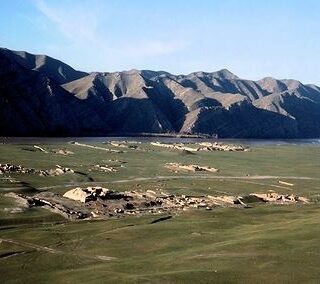
Ai Khanum, also spelled Ai-Khanoum, was one of the most significant cities of the Greco-Bactrian kingdom and played a key role during the reign of Eucratides I (r. 170–145 BCE)....

Depictions of India in ancient literature are a rich tapestry woven from diverse sources spanning millennia. These sources not only reflect India’s geography, culture, religion, and politics but also portray...

Summary The statue of Laocoön and His Sons, also known as the Laocoön Group, is one of the most iconic and enduring pieces of ancient sculpture. Discovered in 1506 in...
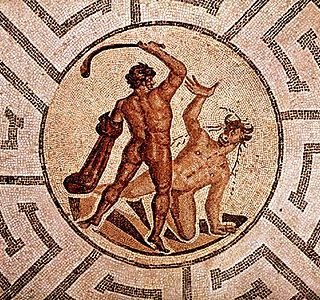
The story of Theseus and the Minotaur is one of the most iconic myths from ancient Greece. Its gripping narrative, blending heroism, cunning, and monstrous peril, has captivated generations. But beyond the legendary tale,...

Thutmose IV, also known as Thutmosis IV or Tuthmosis IV, was the eighth pharaoh of Egypt’s 18th Dynasty, reigning during the 14th century BC (approximately 1401–1391 BC). His reign marked...
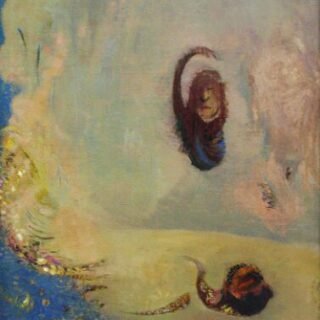
The Myth of Adapa is a significant Mesopotamian tale that provides insight into early human perspectives on life, knowledge, and mortality. It involves Adapa, a sage and priest of the...
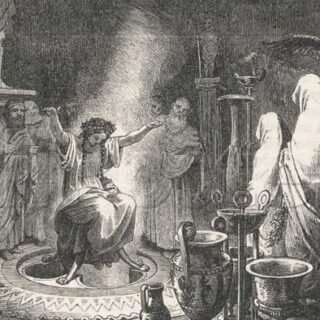
The Pythia, often referred to as the Oracle of Delphi, was the high priestess of the Temple of Apollo at Delphi, serving as one of the most important religious figures in...
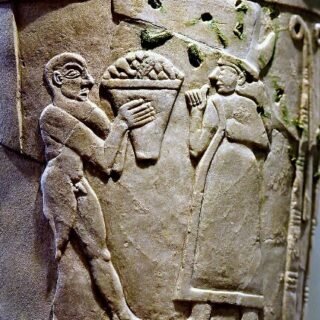
The Descent of Inanna (c. 1900-1600 BCE) is a rich myth from ancient Sumer that tells the story of Inanna, the goddess of love, fertility, and war, and her perilous journey to...
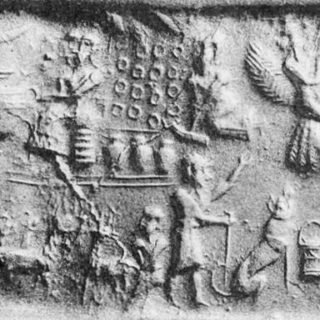
The Myth of Etana is a significant story from ancient Mesopotamian mythology that reflects the concerns of early civilizations regarding kingship, the role of the gods, and human struggles for...
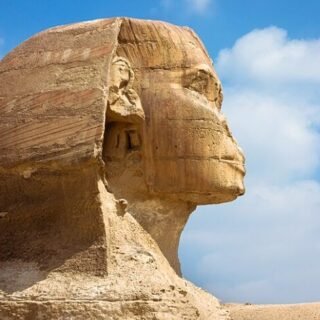
The Great Sphinx of Giza is one of the most iconic and enduring symbols of ancient Egypt, standing proudly on the Giza Plateau, adjacent to the pyramids. It has intrigued...
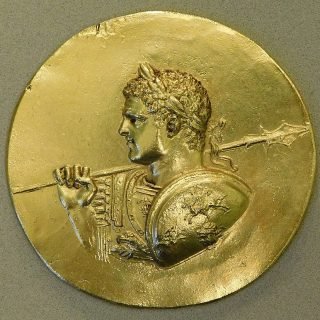
Caracalla, born Lucius Septimius Bassianus (April 4, 188 – April 8, 217 AD), was a Roman emperor who ruled from 198 to 217 AD. He is best known for his...
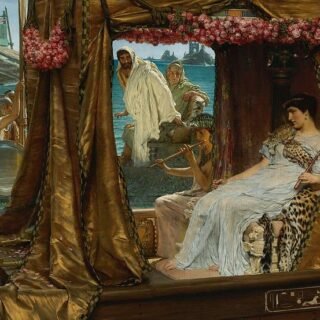
Cleopatra VII of Egypt and MarkAntony of Rome are two of the most famous lovers in history. Their romance, though deeply passionate, was also intertwined with political ambition and strategic alliance, playing a...
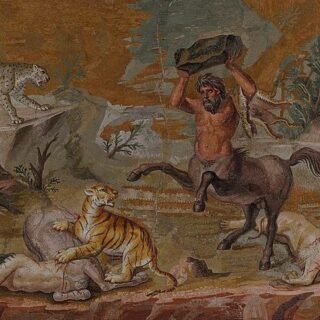
Centaurs, one of the most iconic creatures in Greek mythology, are fascinating beings that combine human and animal forms—half-man and half-horse. Their dual nature reflects a balance between civilization and...

Pharaoh Siptah, also known as Akhenre Setepenre or Merneptah Siptah, was the penultimate ruler of Egypt’s Nineteenth Dynasty. His reign, though brief and shrouded in mystery, offers insight into the...
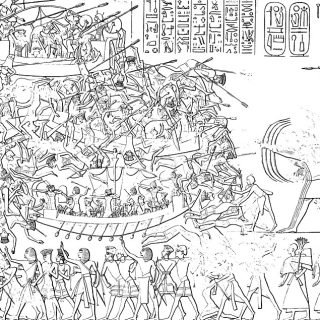
The Sea Peoples were a confederation of seafaring tribes who, during the late Bronze Age, launched a series of devastating attacks across the eastern Mediterranean. Their raids are closely associated...





