What is the Roman Rite?
The Roman Rite, the most prevalent liturgical tradition within the Latin Church, governs the manner in which ecclesiastical services, sacraments, and blessings are performed. As the principal ritual of the...

The Roman Rite, the most prevalent liturgical tradition within the Latin Church, governs the manner in which ecclesiastical services, sacraments, and blessings are performed. As the principal ritual of the...
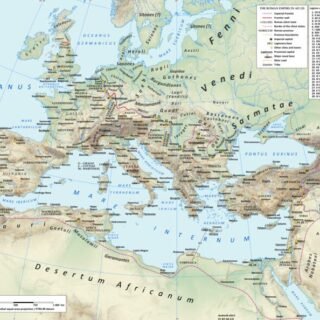
The Marcomanni were a major Germanic tribe that played a crucial role in Roman-Germanic relations, engaging in conflicts with Rome and forming powerful alliances with other Suebian tribes. Origins and...

Runes are an ancient writing system used by Germanic peoples during the first millennium AD and beyond. These symbols formed the basis of runic alphabets, also called runic rows or...
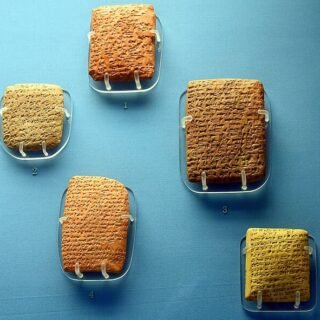
The Amarna letters are a collection of clay tablets that document diplomatic correspondence between the Egyptian administration and various rulers of neighboring regions. Dating to the mid-14th century BC, these...

The Second Bulgarian Empire (1185–1396) was a medieval state that played a significant role in the Balkans. It was a successor to the First Bulgarian Empire and reached its zenith...

Friday the 13th is widely regarded as an unlucky day in Western superstition. This belief is rooted in various historical, religious, and cultural influences. The day occurs when the 13th...
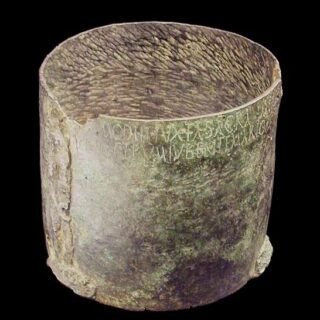
The units of measurement in ancient Rome were well-documented and generally consistent across the empire. Roman measurements encompassed length, area, volume, weight, and time, each playing a crucial role in...
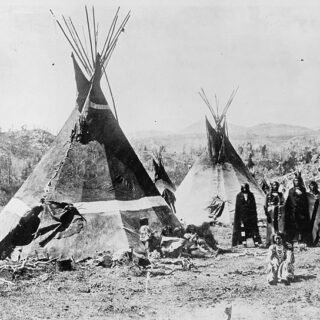
Hunter-gatherer societies represent the earliest form of human social organization. For thousands of years, humans lived in small, mobile groups that subsisted by hunting wild animals, fishing, and foraging for...
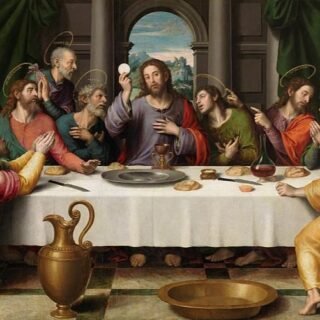
The Eucharist, also known as Holy Communion, the Blessed Sacrament, or the Lord’s Supper, is a central Christian rite commemorating Jesus Christ’s Last Supper. Its significance is derived from biblical...
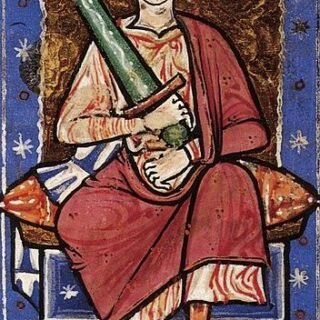
The St. Brice’s Day Massacre was carried out on November 13, 1002. It involved a mass killing of Danes living in England on the orders of King Æthelred the Unready....

In Islam, Jesus holds a revered status as one of the greatest prophets and messengers of God. He is acknowledged as the penultimate prophet, preceding Muhammad, and is described as...

Plymouth Rock is one of the most famous historical landmarks in the United States, widely believed to be the disembarkation site of the Mayflower Pilgrims who founded Plymouth Colony in...
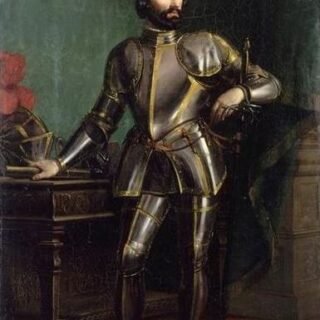
Charles III, Duke of Bourbon, was a French noble and military leader who served as Constable of France before betraying King Francis I and joining the Holy Roman Emperor Charles...
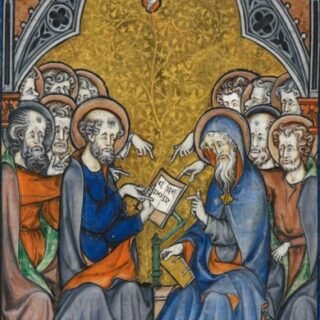
The Apostles’ Creed, known in Latin as Symbolum Apostolorum or Symbolum Apostolicum, is a widely used Christian creed that serves as a foundational statement of faith in many Western Christian...
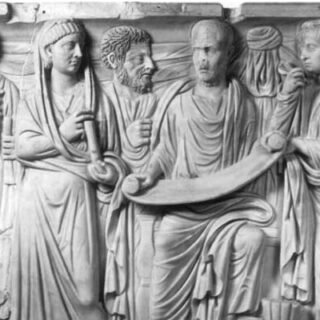
Neoplatonism is a profound philosophical movement that emerged in the 3rd century AD, flourishing against the vibrant backdrop of Hellenistic philosophy and diverse religious traditions. Unlike a singular set of...





