Italian Composer Ferruccio Busoni
Ferruccio Dante Michelangiolo Benvenuto Busoni (1 April 1866 – 27 July 1924) was an Italian composer, pianist, conductor, editor, writer, and teacher whose contributions to music and pedagogy left an...
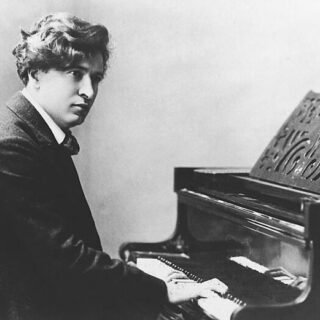
Ferruccio Dante Michelangiolo Benvenuto Busoni (1 April 1866 – 27 July 1924) was an Italian composer, pianist, conductor, editor, writer, and teacher whose contributions to music and pedagogy left an...

Amalienborg, located in Copenhagen, Denmark, serves as the official residence of the Danish royal family. The complex, known for its harmonious design, comprises four identical palaces with Classical façades and...

Commissioned in 1373 by Albanian ruler Gjergj Arianiti, the Epitaph of Gllavenica is considered one of the finest examples of its kind in the Balkans, featuring intricate depictions of the...
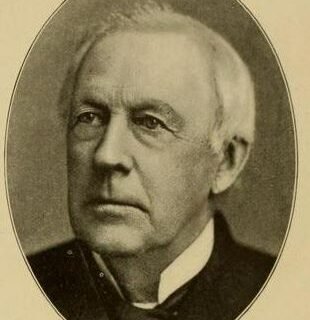
Amos Richards Eno (November 1, 1810 – February 21, 1898) was an American real estate investor and capitalist whose legacy significantly influenced the development of New York City. His vision,...
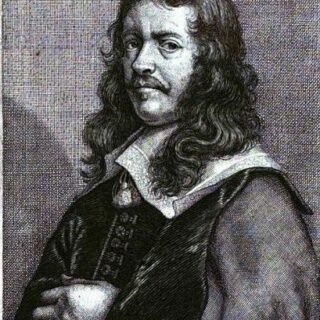
Joannes Meyssens (17 May 1612 – 18 September 1670) was a significant figure in the Flemish Baroque artistic tradition, renowned for his contributions as a painter, engraver, and print publisher....

Baldwin IV of Jerusalem (1161–1185), famously known as the “Leper King,” ruled the Kingdom of Jerusalem from 1174 until his death. Despite his debilitating leprosy, he became a symbol of...

The Armée des Émigrés refers to the counter-revolutionary armies composed of French royalist émigrés during the French Revolution. These forces, operating outside France, aimed to overthrow the First French Republic...

Sodom and Gomorrah are two ancient cities mentioned in the Abrahamic religions, primarily as examples of divine punishment for human sinfulness. Their story, found in Genesis 19:1–28, parallels the Genesis...
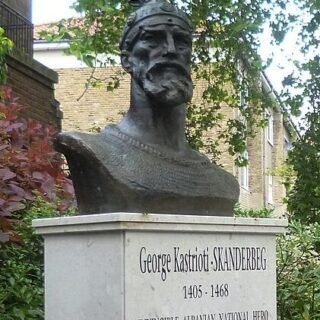
Skanderbeg (c. 1405–1468) was an Albanian nobleman, military commander, and leader of the Albanian resistance against the Ottoman Empire. He is remembered as a symbol of Albanian national identity and...
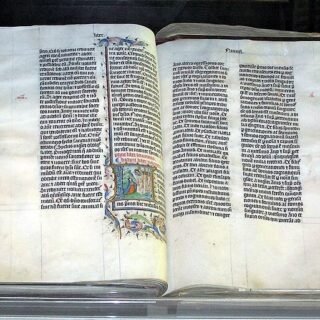
The Old Testament (OT) is the foundational text of the Christian biblical canon, derived from the Hebrew Bible, or Tanakh. This collection of ancient Hebrew and some Aramaic writings reflects...

The Cult of Reason was France’s first state-sponsored atheistic religion during the French Revolution, designed to replace Roman Catholicism with a civic religion focused on Reason, Liberty, and the Revolution....

Jean Sibelius was a Finnish composer of the late Romantic and early modern periods, considered Finland’s greatest composer. His music played a key role in fostering Finnish national identity during...
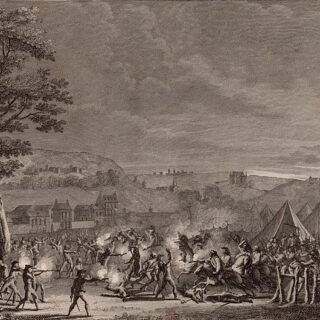
The Conspiracy of the Equals, known in French as Conjuration des Égaux, was a failed coup d’état in May 1796 during the tumultuous period of the French Revolution. Led by...

Genesis is the first book of the Hebrew Bible and Christian Old Testament, detailing the creation of the world, humanity’s early history, and the origins of the Jewish people. Summary...

The Place de la Nation is one of Paris’ historic and culturally significant squares. Situated on the eastern side of the city, straddling the 11th and 12th arrondissements, it serves...





