The Seven Sorrows of Mary
Our Lady of Sorrows, also referred to as Mater Dolorosa, Our Lady of Dolours, Mother of Sorrows, or Our Lady of the Seven Sorrows, is a title given to Mary,...
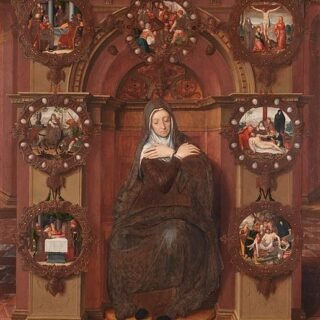
Our Lady of Sorrows, also referred to as Mater Dolorosa, Our Lady of Dolours, Mother of Sorrows, or Our Lady of the Seven Sorrows, is a title given to Mary,...

The Myrrhbearers, a term rooted in Eastern Orthodox Christian tradition, refers to individuals involved in the burial of Jesus and those who discovered his empty tomb after his resurrection. Derived...

Sardis, historically known as Sardes, was a significant ancient city primarily recognized as the capital of the Lydian Empire. Its prominence persisted through successive eras, becoming the administrative center of...

The U.S. Capitol Rotunda, located below the Capitol dome, is considered the “symbolic and physical heart” of the Capitol, connecting the House of Representatives, Senate chambers, and historical spaces like...

The Delian League emerged in the aftermath of the Persian Wars (490–479 BCE), a defining period in Greek history. The Greek victory in battles like Marathon (490 BCE), Salamis (480...
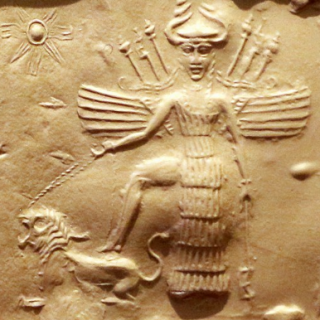
The role and existence of third-gender figures in the Ancient Near East is a rich and nuanced topic that reflects the complexity of gender roles and identities in early civilizations....
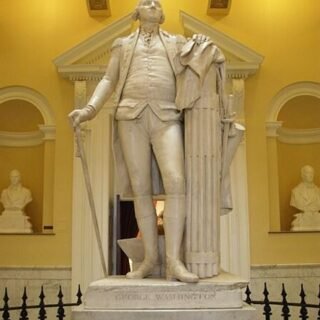
The statue George Washington by French sculptor Jean-Antoine Houdon, created in the late 18th century, is a celebrated depiction of the first U.S. president. Known for its accuracy, the statue...
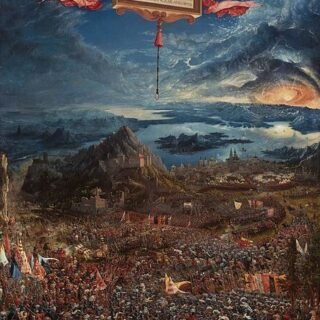
The Battle of Issus, fought on November 5, 333 BC, was a pivotal confrontation during Alexander the Great‘s campaign against the Achaemenid Empire. Taking place in southern Anatolia near the...
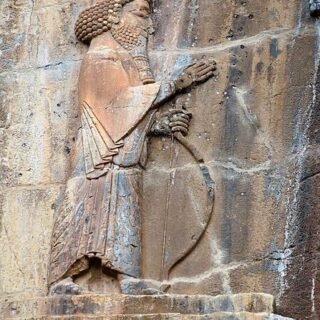
Artaxerxes III, born Ochus, was one of the most notable kings of the Achaemenid Empire, reigning from 359/58 to 338 BC. As a ruler, he is remembered for consolidating his...

Craterus was a prominent Macedonian general who served under Alexander the Great. Renowned for his unwavering loyalty, he played a significant role in Alexander’s campaigns and later became one of...

Parysatis, the youngest daughter of Artaxerxes III of Persia, holds a fascinating yet tragic place in history. Her life, marked by the political intrigue of the Persian court and the...
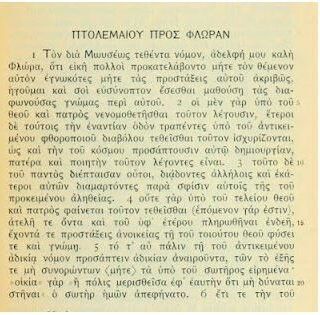
Ptolemy the Gnostic, a renowned Greek-Egyptian scholar, is often considered one of the most influential figures in the development of the Western school of Valentinian Gnosticism, which was influential in...

Joseph of Arimathea, an enigmatic biblical figure, is known for his role in the burial of Jesus Christ following the crucifixion. Identified as a member of the Sanhedrin in three...

Amyrtaeus of Sais was a pivotal figure in ancient Egyptian history, being the sole ruler of the Twenty-Eighth Dynasty. His reign (circa 404–399 BCE) marked the end of the first...

The Roman Theatre of Orange, located in the town of Orange (ancient Arausio) in southern France, is one of the best-preserved ancient Roman theatres in the world. Constructed during the...





