History of the Circus Maximus
The Circus Maximus, Latin for “largest circus” (Italian: Circo Massimo), stands as a remarkable symbol of Ancient Rome’s architectural, cultural, and societal achievements. Situated in the valley between the Aventine...
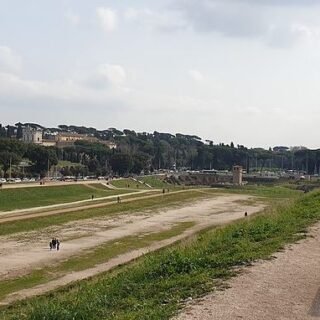
The Circus Maximus, Latin for “largest circus” (Italian: Circo Massimo), stands as a remarkable symbol of Ancient Rome’s architectural, cultural, and societal achievements. Situated in the valley between the Aventine...

The Sabbath, also known as Shabbat in Hebrew, holds significant importance in Abrahamic religions. Its origins, observances, and cultural implications have evolved over centuries, marking it as a central concept...
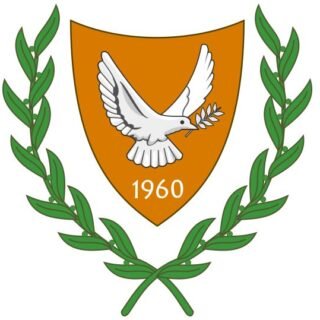
The Cyprus conflict, commonly referred to as the Cyprus problem, is one of the longest-standing unresolved disputes in the world. It primarily involves tensions between Greek Cypriots and Turkish Cypriots,...
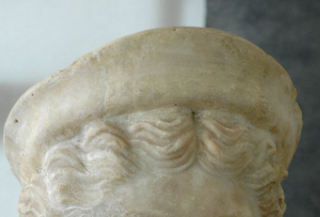
The stephane was a distinctive decorative headpiece that held significant cultural, aesthetic, and social value in ancient Greek and Roman societies. Derived from the verb στέφω (stéphō), meaning “I encircle,”...
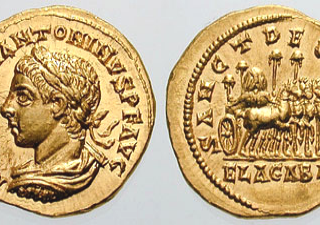
Elagabalus, also known as Aelagabalus or Heliogabalus, was an Arab-Roman deity whose worship originated in Emesa (modern Homs, Syria). The name derives from the Aramaic “ʾĕlāhgabāl” or Arabic “Ilah al-Jabal,”...
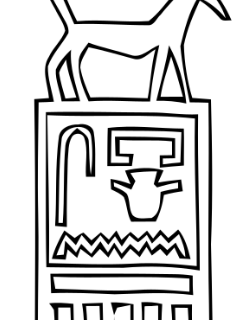
Seth-Peribsen, also known as Ash-Peribsen or simply Peribsen, was a pharaoh of Egypt’s Second Dynasty (circa 2890–2686 BCE). Despite uncertainties surrounding his reign, including its duration and succession, Peribsen remains...

Raneb, also known as Nebra, is an early Egyptian pharaoh whose Horus name signifies his association with the celestial and divine roles of kingship. As the second ruler of Egypt’s...
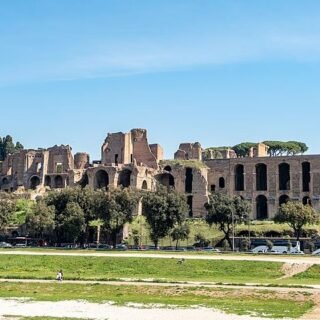
The Palatine Hill, known in Latin as Palatium and in Italian as Palatino, is one of the most ancient and historically significant parts of Rome. Centrally located among the Seven...

Mesoamerican pyramids are among the most remarkable architectural achievements of ancient civilizations in the Americas. These structures reflect the spiritual, political, and cultural sophistication of their builders. While each pyramid...

The Illyro-Roman Wars were a series of conflicts that underscored the Roman Republic‘s efforts to consolidate power in the Adriatic region and neutralize threats posed by the Illyrian Kingdom. These...
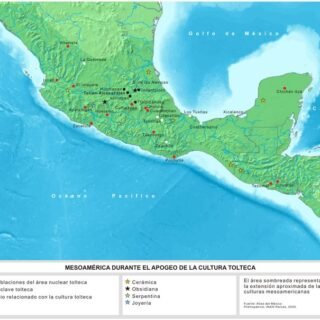
The Toltecs were a Nahuatl-speaking tribe that dominated central Mexico from the 10th to the 12th century CE. Their name translates to meanings like “urbanite,” “cultured person,” or “reed person,”...
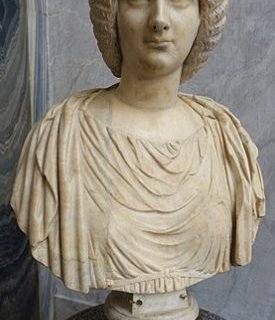
Julia Domna was born around 160 AD in Emesa (modern-day Homs, Syria) to a prominent Arab family of priests devoted to the deity Elagabalus. Her father, Julius Bassianus, was the...
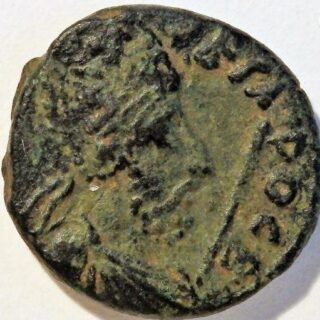
Abgar VIII of Edessa, also known as Abgar the Great or Abgar bar Ma’nu, was an Arab king of Osroene, reigning from 177 CE to 212 CE. His reign was...

The Partition of Ireland (Irish: críochdheighilt na hÉireann) was a significant political development that divided the island into two distinct jurisdictions: Northern Ireland and Southern Ireland. Implemented on 3 May...

Muslims worldwide utilize the Hijri (lunar) calendar to determine significant religious observances. It features twelve lunar months, each inaugurated by the visible appearance of a new moon. This cyclical method...





