Seljuk Minarets in Persia

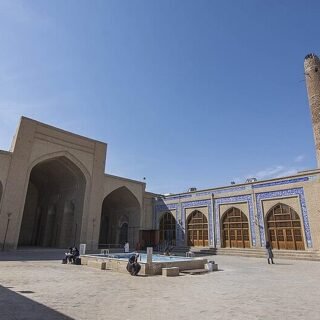
The Seljuk dynasty (11th–13th centuries) ruled a vast empire that covered parts of Persia, where Islamic art and architecture flourished. Persian minarets became more than just functional structures; they were...

The Mezcala Culture

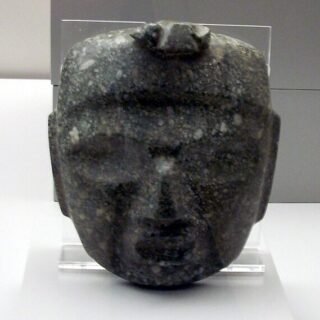
The Mezcala culture, also known as the Balsas culture, thrived in the southern Mexican state of Guerrero, particularly in the upper Balsas River region. Though relatively obscure and poorly understood,...

Stoneware in the Minoan Civilization

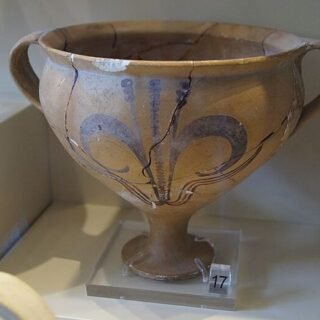
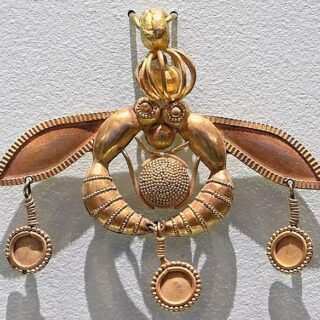
Minoan stoneware was an essential aspect of ancient Cretan civilization. The works highlight the remarkable craftsmanship and artistic sophistication of the Minoans, who thrived during the Bronze Age (circa 3000-1450...

Genocide in the Ancient World

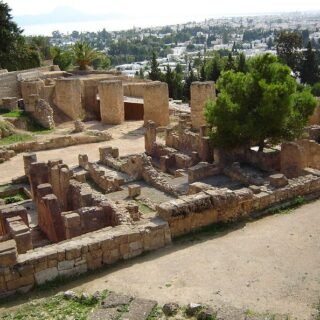
Genocide in the ancient world, while not always explicitly labeled as such, manifested in various forms across different civilizations. Ancient wars and conquests often led to the deliberate and systematic...

Underground Sites in Rome

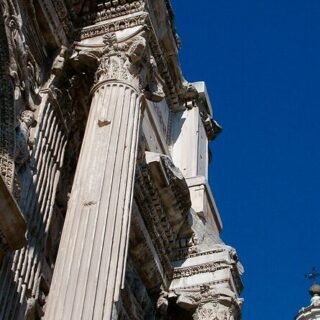
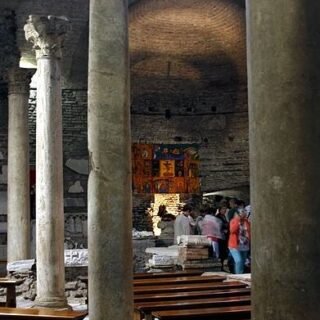
Beneath the streets of the modern metropolis of Rome lies an intricate maze of archaeological wonders, revealing layers of history from ancient Roman civilization to the early Christian period and...

What was the Aetolian League?

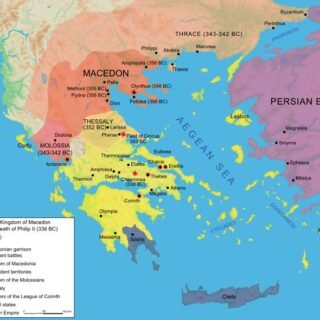
The Aetolian League, or Koinon tōn Aitōlōn (Κοινὸν τῶν Αἰτωλῶν), was a significant political and military federation in ancient Greece. Centered in Aetolia in central Greece, it emerged as a...

Who was Quetzalcoatl in the Aztec Pantheon?

Quetzalcoatl, meaning “Feathered Serpent” in Nahuatl, is one of the most significant deities in Mesoamerican cultures, particularly among the Aztecs. Revered as a god of wind, Venus, the Sun, knowledge,...

Who are the Anunnaki?

The Anunnaki, derived from the Sumerian words “da-nuna” or “da-nuna-ke4-ne,” meaning “princely offspring” or “offspring of An,” were a group of deities central to the ancient Mesopotamian pantheon. They appeared...