Author: World History Edu
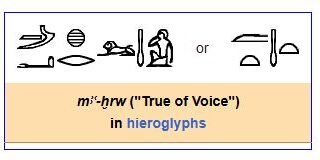
“Maa Kheru” (Ancient Egyptian: mꜣꜥ ḫrw) is a profound phrase in ancient Egyptian culture, embodying the concepts of righteousness, justification, and rightful acclaim. Translated as “true of voice,” “justified,” or...
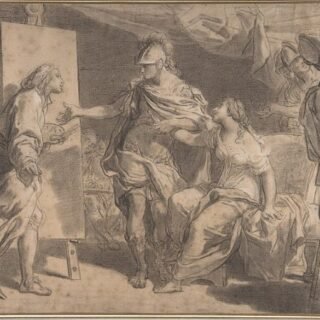
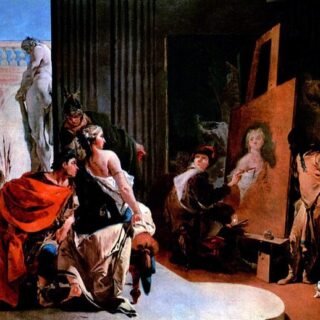
Apelles, a 4th-century BCE Hellenistic Greek painter, remains celebrated as one of antiquity’s most esteemed artists, despite the complete loss of his works. His exceptional reputation is largely based on...
Ancient Greece stands as one of the most culturally rich and artistically accomplished civilizations in history, particularly in the realm of painting. Greek painters excelled in vase painting, frescoes, and...
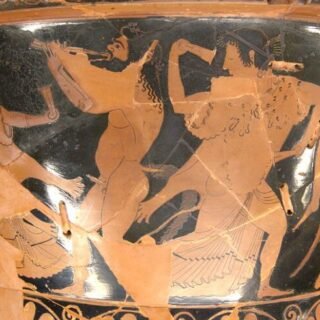
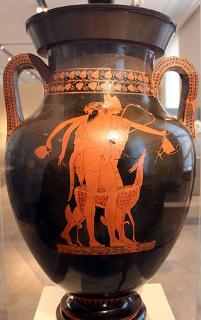
Euphronios (c. 535–470 BC) was a prominent figure in ancient Greek art, recognized as one of the foremost painters and potters of the Late Archaic and Early Classical periods. A...
Lower Egypt, known as Miṣr as-Suflā in Arabic and Tsakhet in Coptic, represents the northernmost region of ancient Egypt. Encompassing the fertile Nile Delta between Upper Egypt and the Mediterranean...
Zeuxis, a renowned painter of ancient Greece, was born in 464 BC in Heraclea, possibly Heraclea Lucania in modern-day southern Italy. This region, part of Magna Graecia, was heavily influenced...
Sais, known in ancient Egyptian as Sꜣw and in Greek as Σάϊς, was a prominent city located in the Western Nile Delta on the Canopic branch of the Nile River....
The Archimedes’ screw, attributed to the Greek mathematician Archimedes, is an ancient hydraulic device first described around 234 BC, though used earlier in Egypt. It lifts water by rotating a...
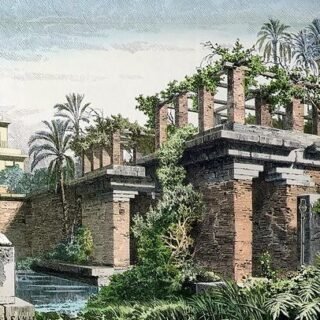
The Hanging Gardens of Babylon stand as one of the most enigmatic and celebrated landmarks of the ancient world. Renowned as one of the Seven Wonders of the Ancient World,...
The Berlin Painter remains one of the most influential and enigmatic figures in ancient Greek vase painting. Active during the late Archaic and early Classical periods, approximately between 490 and...
The Confederate States Army (CSA), commonly referred to as the Confederate Army or Southern Army, was the military land force of the Confederate States of America (CSA) during the American...
The Second War of Scottish Independence (1332–1357) was a pivotal conflict in medieval British history, emerging from the unresolved tensions following the First War of Scottish Independence (1296–1328). The initial...
The Achilles Painter, active from approximately 470 to 425 BC, occupies a prominent place in the history of ancient Greek vase painting. Renowned for his distinctive artistry in the red-figure...
Sir Alexander Ramsay of Dalhousie was a distinguished 14th-century Scottish nobleman and knight, remembered for his valor, strategic acumen, and tragic end. Born around 1290, Alexander was the eldest son...
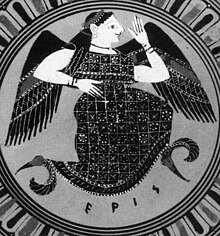
Eris, the Greek goddess of strife and discord, plays a multifaceted role in mythology as a symbol of chaos and a catalyst for conflict. Her origins, described in Theogony by...