Hanuman: Birth Story & Symbolism

Hanuman, one of the most revered deities in Hinduism, is a symbol of strength, devotion, courage, and selflessness. He is central to the Ramayana, an ancient Indian epic, where his...

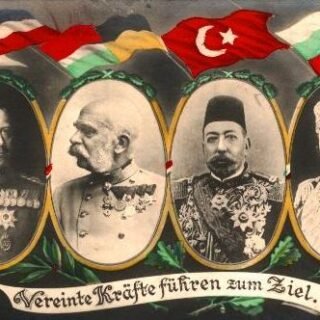
Who were the Central Powers in WWI?

The Central Powers, also known as the “Quadruple Alliance” after Bulgaria joined, was one of the two main military alliances that fought in World War I, which lasted from 1914...

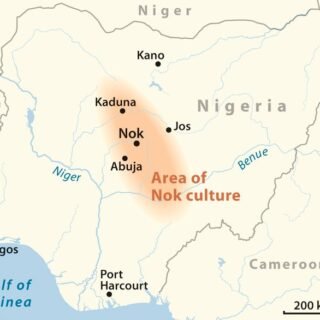
The Nok Culture: History & Major Facts

The Nok culture is one of the earliest known civilizations in sub-Saharan Africa, notable for its advanced use of iron and unique terracotta sculptures. Flourishing from around 1500 BCE to...

Slavery in India: History & Major Facts

Slavery in India has a complex and extensive history, evolving from the ancient period to modern times. It has existed in various forms, including bonded labor, human trafficking, and indentured...

What was the Kansas-Nebraska Act?

The Kansas-Nebraska Act, passed in 1854, was one of the most consequential pieces of legislation in American history. It reshaped the political landscape, deepened national divisions, and set the stage...

Pharaoh Thutmose IV

Thutmose IV, also known as Thutmosis IV or Tuthmosis IV, was the eighth pharaoh of Egypt’s 18th Dynasty, reigning during the 14th century BC (approximately 1401–1391 BC). His reign marked...

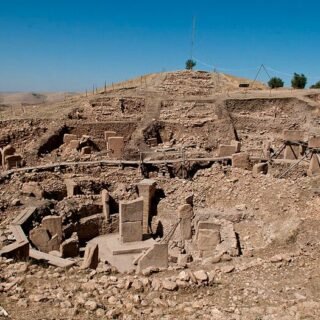
What is Göbekli Tepe?

Göbekli Tepe is one of the most significant and enigmatic archaeological discoveries of modern times. Situated in southeastern Turkey, this ancient site dates back to the 10th millennium BCE, predating...