Ganesha: Birth and Significance in Hinduism
Ganesha, also known as Ganapati, Vinayaka, Lambodara, and Pillaiyar, is one of the most beloved and widely worshipped deities in Hinduism. He occupies a unique place in the Hindu pantheon...

Ganesha, also known as Ganapati, Vinayaka, Lambodara, and Pillaiyar, is one of the most beloved and widely worshipped deities in Hinduism. He occupies a unique place in the Hindu pantheon...

The White Horse of Uffington is a massive prehistoric hill figure located in the English countryside, carved into the white chalk of Uffington Hill in Oxfordshire. It has a distinct...

The Battle of Gettysburg, fought from July 1 to July 3, 1863, during the American Civil War (1861 – 1865), is one of the most significant and consequential battles in...
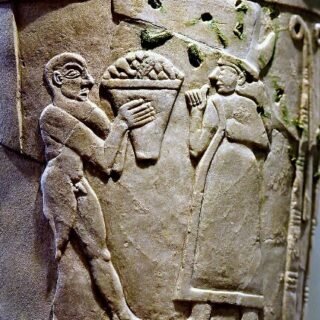
The Descent of Inanna (c. 1900-1600 BCE) is a rich myth from ancient Sumer that tells the story of Inanna, the goddess of love, fertility, and war, and her perilous journey to...
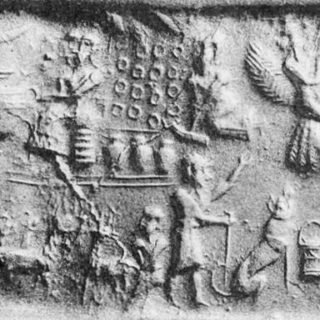
The Myth of Etana is a significant story from ancient Mesopotamian mythology that reflects the concerns of early civilizations regarding kingship, the role of the gods, and human struggles for...
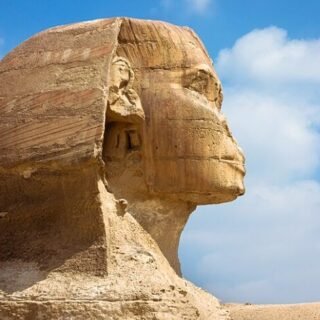
The Great Sphinx of Giza is one of the most iconic and enduring symbols of ancient Egypt, standing proudly on the Giza Plateau, adjacent to the pyramids. It has intrigued...
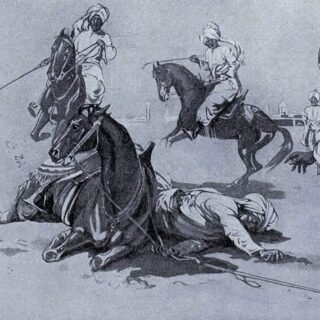
Qutb ud-Din Aibak (1150 – 14 November 1210) was a central figure in shaping the early history of Muslim rule in India. His life story is an extraordinary tale of...
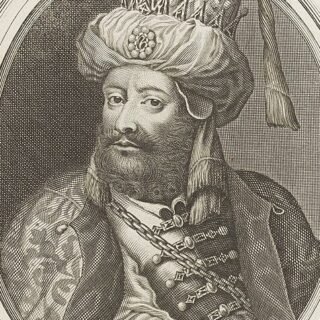
Muhi al-Din Muhammad, later known as Aurangzeb, was born on 3 November 1618 in Dahod, Gujarat, into the royal family of the Mughal Empire. He was the third son of...
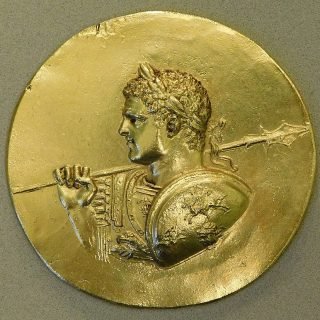
Caracalla, born Lucius Septimius Bassianus (April 4, 188 – April 8, 217 AD), was a Roman emperor who ruled from 198 to 217 AD. He is best known for his...

Kartikeya, also known by various names such as Skanda, Subrahmanya, Shanmukha, and Murugan, is one of the most revered deities in Hinduism, particularly in South India. As the god of...

The Muslim conquest of the Indian subcontinent occurred over several centuries, from the early 8th century to the late 18th century, and can be divided into multiple phases. These conquests...

The Fatimid Caliphate, also known as the Fatimid Empire, was an Isma’ili Shia Islamic dynasty that ruled parts of North Africa and West Asia from the 10th to the 12th...
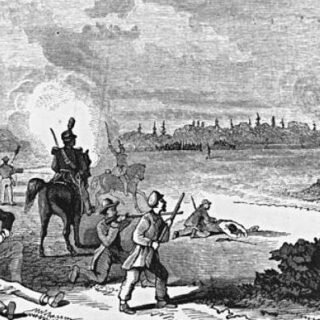
The Upper Canada Rebellion, which occurred in 1837, was a significant historical event that helped shape the political landscape of what is now Canada. Although the rebellion was short-lived and...
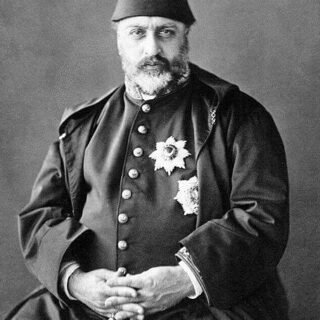
The 1876 coup d’état that led to the removal of Sultan Abdulaziz marked a significant turning point in Ottoman history. It reflected the deep political, economic, and social challenges facing...

The Kingdom of Dagbon, one of the oldest and most structured traditional states in West Africa, is located in the northern part of present-day Ghana. The kingdom, founded in the...





