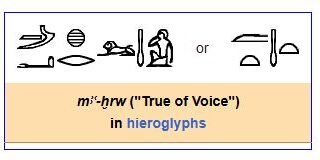
Meaning of Maa Kheru in Ancient Egypt

“Maa Kheru” (Ancient Egyptian: mꜣꜥ ḫrw) is a profound phrase in ancient Egyptian culture, embodying the concepts of righteousness, justification, and rightful acclaim. Translated as “true of voice,” “justified,” or...
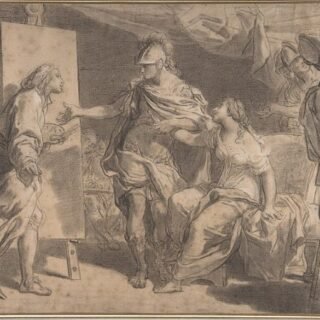
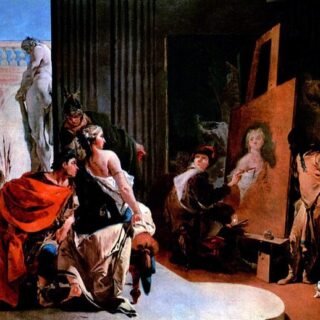
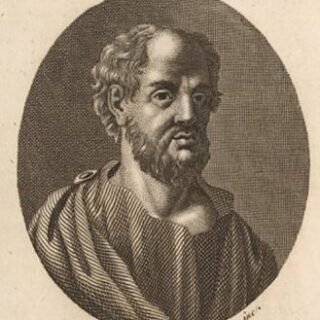
Ancient Greek Painter Apelles of Kos

Apelles, a 4th-century BCE Hellenistic Greek painter, remains celebrated as one of antiquity’s most esteemed artists, despite the complete loss of his works. His exceptional reputation is largely based on...

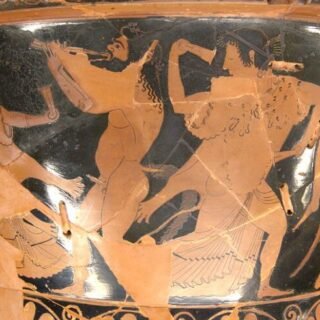
Ancient Greek Painter Euphronios

Euphronios (c. 535–470 BC) was a prominent figure in ancient Greek art, recognized as one of the foremost painters and potters of the Late Archaic and Early Classical periods. A...

Lower Egypt: History and Major Facts

Lower Egypt, known as Miṣr as-Suflā in Arabic and Tsakhet in Coptic, represents the northernmost region of ancient Egypt. Encompassing the fertile Nile Delta between Upper Egypt and the Mediterranean...

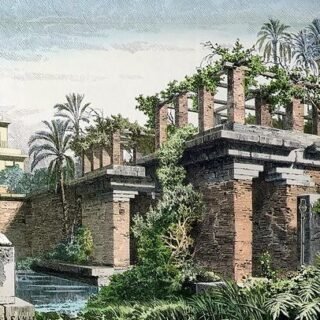
Hanging Gardens of Babylon

The Hanging Gardens of Babylon stand as one of the most enigmatic and celebrated landmarks of the ancient world. Renowned as one of the Seven Wonders of the Ancient World,...

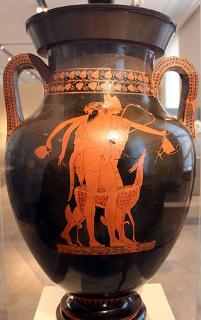
The Achilles Painter

The Achilles Painter, active from approximately 470 to 425 BC, occupies a prominent place in the history of ancient Greek vase painting. Renowned for his distinctive artistry in the red-figure...

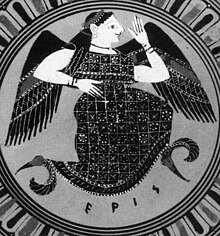
Eris in Greek Mythology

Eris, the Greek goddess of strife and discord, plays a multifaceted role in mythology as a symbol of chaos and a catalyst for conflict. Her origins, described in Theogony by...