Author: World History Edu
Operation Barbarossa, launched on June 22, 1941, was Nazi Germany’s massive invasion of the Soviet Union during World War II. Named after Frederick I “Barbarossa,” the 12th-century Holy Roman Emperor,...
The Red Army, also known as the Workers’ and Peasants’ Red Army, played a central role in World War II, referred to in the Soviet Union as the Great Patriotic...
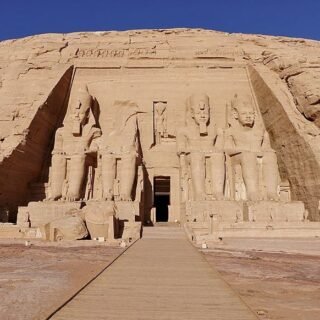
Abu Simbel is a remarkable historic site located in the Aswan Governorate of Upper Egypt, near the Sudanese border. Known for its two massive rock-cut temples, this iconic monument sits...
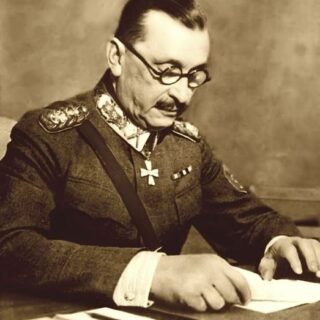
Carl Gustaf Emil Mannerheim’s life encapsulates the struggles and triumphs of Finland during a transformative era. From his early service in the Russian Imperial Army to his leadership during Finland’s...
The Valley of the Queens, known in ancient Egypt as Ta-Set-Neferu (“The Place of Beauty” or “The Place of the Royal Children”), is a vital archaeological site that illuminates the...
Lyudmila Mikhailovna Pavlichenko is generally regarded as one of the most renowned snipers in history. She played a pivotal role in World War II as a Soviet Red Army soldier....
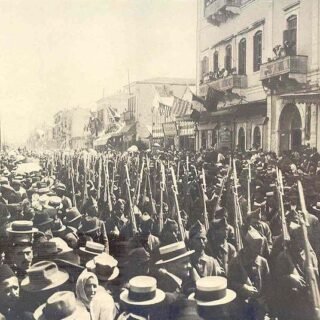
The Turkish War of Independence (1919–1923) was a landmark conflict that reshaped the remnants of the Ottoman Empire into the modern Republic of Turkey. Sparked by foreign occupations and the...
The 20th century witnessed transformative leadership that reshaped the global order. These leaders, whether celebrated or controversial, profoundly impacted political, social, and economic landscapes. From resisting imperial powers to instigating...
The Duat, also referred to as Amenthes in Greek or Te in Coptic, is the underworld in ancient Egyptian mythology. Represented by the hieroglyph (a star within a circle), the...
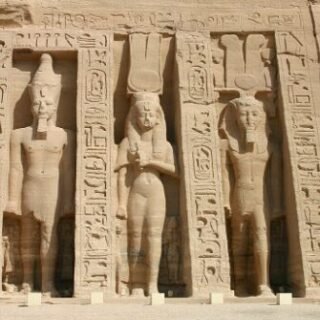
Queen Nefertari, also known as Nefertari Meritmut, was one of the most influential figures of ancient Egypt. As the first Great Royal Wife of Pharaoh Ramesses II (also known as...
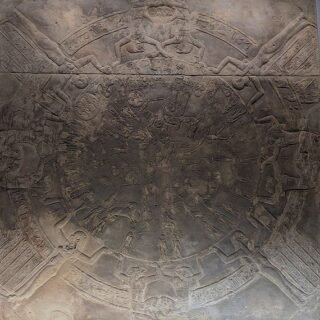
The Dendera Zodiac originates from the Hathor Temple complex in Dendera, Egypt, specifically from the ceiling of the pronaos in the Osiris chapel. The chapel was constructed during the Ptolemaic...
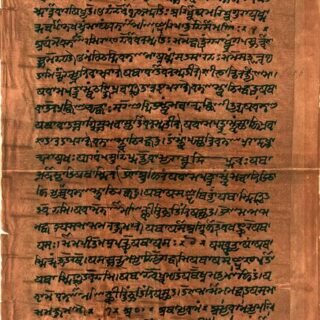
Vedic Sanskrit, the ancient language of the Indo-Aryan subgroup within the Indo-European language family, traces its roots to the Proto-Indo-Iranian language. This linguistic ancestor split into Proto-Indo-Aryan and Proto-Iranian around...
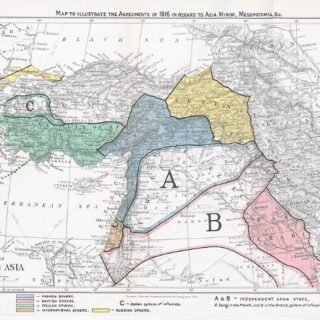
The partition of the Ottoman Empire at the close of World War I represented a watershed moment, altering political boundaries and reshaping the Middle East and nearby regions. By the...
The 20th century transformed the Middle East into a focal point of global conflict, driven by the collapse of empires, colonial mandates, and the rise of nationalist and ideological movements....
The Young Turk Revolution of July 1908 dramatically shifted the political landscape of the Ottoman Empire. Sparked by a cadre of reform-minded military officers and intellectuals who came to be...