Lorenzo de’ Medici
Lorenzo di Piero de’ Medici (1449–1492), famously known as Lorenzo the Magnificent, was an Italian statesman, de facto ruler of the Florentine Republic, and one of the most influential patrons...
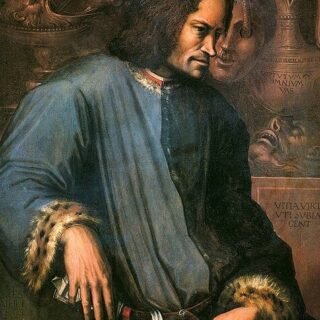
Lorenzo di Piero de’ Medici (1449–1492), famously known as Lorenzo the Magnificent, was an Italian statesman, de facto ruler of the Florentine Republic, and one of the most influential patrons...
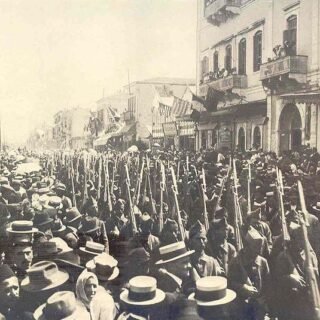
Turkiye (Turkey) has experienced a long and dynamic history, shaped by numerous transformative events. From ancient civilizations to modern-day reforms, Turkey’s development has been influenced by conquests, revolutions, and sociopolitical...

Amenhotep II was the seventh pharaoh of Egypt’s Eighteenth Dynasty, ruling from approximately 1427 to 1401 BC. He inherited a powerful kingdom from his father, Thutmose III. Early Life and...
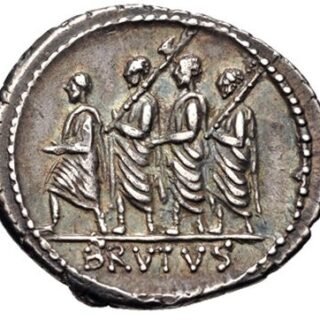
The Roman Kingdom, traditionally dated from 753 BC to 509 BC, was the earliest form of Roman government, ruled by a series of kings. While later Roman historians documented its...

The Siege of Constantinople in 626 was a joint military assault by the Sassanid Persians, Avars, and their Slavic allies against the Byzantine capital, Constantinople. It took place during the...
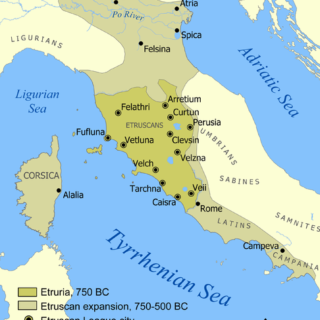
The Etruscan civilization was an ancient culture in Italy, known for its city-states, unique language, and influence on early Rome. It reached its height around 500 BC before being absorbed...

The quaestor was a public official in ancient Rome, playing an essential role in administrative, financial, and judicial matters. Over time, the title encompassed various responsibilities, adapting to the changing...

Bubastis, known in Bohairic Coptic as Poubasti and in Greek as Boubastis or Boubastos, was an ancient Egyptian city of great religious and historical significance. It was referred to as...

Kolanthes, also known as Kolanthes the Child, was a minor deity in the religious landscape of Late Period Egypt. He is primarily associated with Akhmim (Koine Panopolis), a city in...

Memphis, known in Ancient Egyptian as Men-nefer and later as Inebu-hedj (meaning “White Walls”), was one of the most significant cities in ancient Egypt. Located strategically at the mouth of...
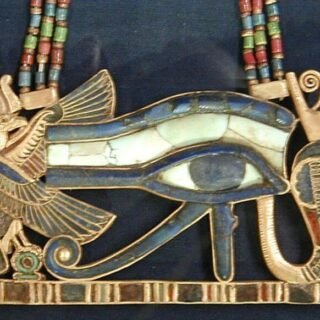
The Eye of Horus, also known as the left wedjat eye or udjat eye, is a profound symbol in ancient Egyptian religion, embodying well-being, healing, and protection. It is closely...

Menkare was a king of the Eighth Dynasty, ruling briefly around 2200 BC during the transition between the Old Kingdom and the First Intermediate Period. Summary Menkare was a little-known...

Heraclius was a Byzantine emperor whose reign profoundly impacted the course of history. Ascending the throne in 610 after overthrowing Emperor Phocas, Heraclius inherited an empire under severe external threats....
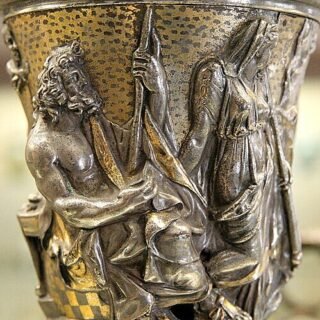
The Berthouville Treasure is a significant hoard of Roman silver discovered in 1830 near the hamlet of Villeret, in the commune of Berthouville, Normandy, France. This remarkable collection of silver...

The Edict of Thessalonica, issued on February 27, 380 AD, by Emperor Theodosius I, marked a pivotal moment in the history of Christianity and the Roman Empire. The decree officially...