Silla Pottery in Korean history
The Silla Kingdom (57 BCE – 935 CE) was one of the most significant dynasties in Korean history. Known for its remarkable political stability, centralized governance, and vibrant cultural achievements,...
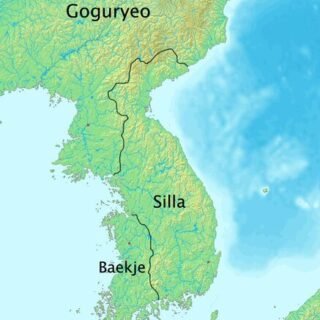
The Silla Kingdom (57 BCE – 935 CE) was one of the most significant dynasties in Korean history. Known for its remarkable political stability, centralized governance, and vibrant cultural achievements,...
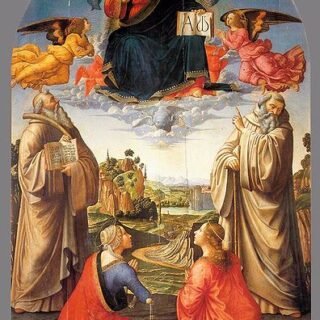
God the Son is the second Person of the Trinity in Christian theology. This theological concept asserts that God the Son, incarnated in Jesus Christ, is the eternal divine Logos...
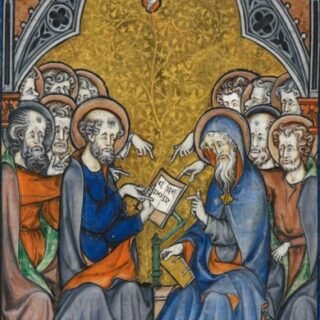
The Apostles’ Creed, known in Latin as Symbolum Apostolorum or Symbolum Apostolicum, is a widely used Christian creed that serves as a foundational statement of faith in many Western Christian...

Botticelli was an Italian painter of the Early Renaissance, known for his mythological and religious works, including The Birth of Venus and Primavera. Early Life and Background Sandro Botticelli, born...

Scottish botanist John Hutton Balfour’s life and career were defined by his dedication to botanical science, education, and public engagement. His role in expanding botanical education, his influential textbooks, and...

Before becoming the 45th and later the 47th president of the United States, Donald Trump had a long career in business, real estate, and media. His journey from a New...

The King’s Theatre in Edinburgh is one of Scotland’s most prestigious and historic theatrical venues. Established in the early 20th century, it has played a crucial role in the city’s...
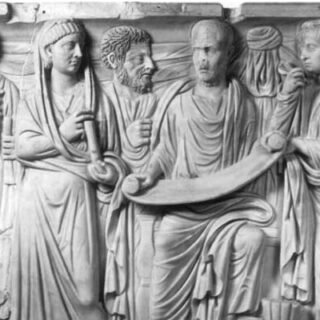
Neoplatonism is a profound philosophical movement that emerged in the 3rd century AD, flourishing against the vibrant backdrop of Hellenistic philosophy and diverse religious traditions. Unlike a singular set of...
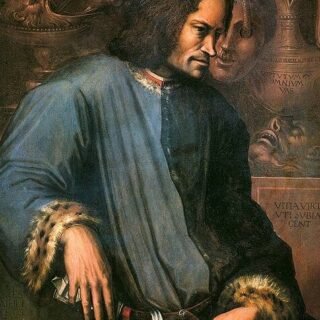
Lorenzo di Piero de’ Medici (1449–1492), famously known as Lorenzo the Magnificent, was an Italian statesman, de facto ruler of the Florentine Republic, and one of the most influential patrons...
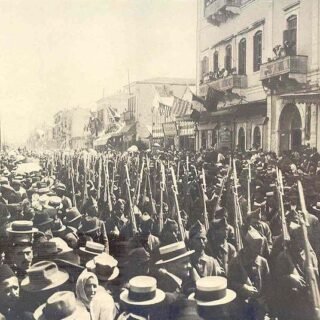
Turkiye (Turkey) has experienced a long and dynamic history, shaped by numerous transformative events. From ancient civilizations to modern-day reforms, Turkey’s development has been influenced by conquests, revolutions, and sociopolitical...

Amenhotep II was the seventh pharaoh of Egypt’s Eighteenth Dynasty, ruling from approximately 1427 to 1401 BC. He inherited a powerful kingdom from his father, Thutmose III. Early Life and...
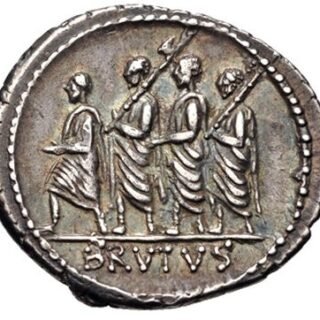
The Roman Kingdom, traditionally dated from 753 BC to 509 BC, was the earliest form of Roman government, ruled by a series of kings. While later Roman historians documented its...

The Siege of Constantinople in 626 was a joint military assault by the Sassanid Persians, Avars, and their Slavic allies against the Byzantine capital, Constantinople. It took place during the...
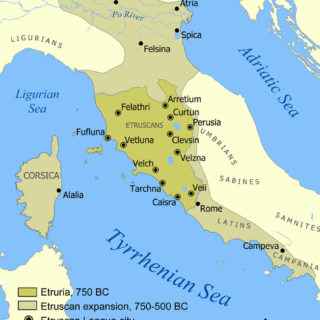
The Etruscan civilization was an ancient culture in Italy, known for its city-states, unique language, and influence on early Rome. It reached its height around 500 BC before being absorbed...

The quaestor was a public official in ancient Rome, playing an essential role in administrative, financial, and judicial matters. Over time, the title encompassed various responsibilities, adapting to the changing...





