Why did the United States start issuing H-1B visa?
In the realm of U.S. immigration policy, few programs have sparked as much debate and evolution as the H-1B visa. Ostensibly created to bring highly skilled workers into sectors where...
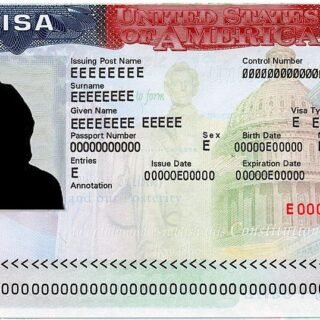
In the realm of U.S. immigration policy, few programs have sparked as much debate and evolution as the H-1B visa. Ostensibly created to bring highly skilled workers into sectors where...
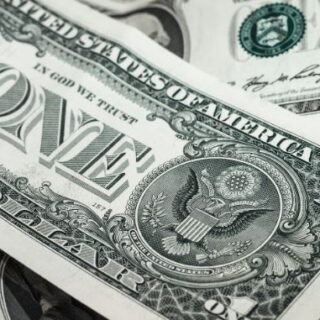
The United States dollar is filled with a rich history that is rooted in the economic and political developments of early America. Summary Our nation’s currency officially originated in 1792...

Anne Hutchinson was a prominent and influential Puritan spiritual advisor in early colonial America. Known for her strong religious convictions and opposition to the established Puritan leadership in the Massachusetts...
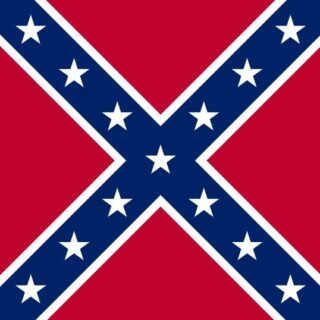
The Confederate States Army (CSA), commonly referred to as the Confederate Army or Southern Army, was the military land force of the Confederate States of America (CSA) during the American...

Before achieving independence, the United States, then a collection of British colonies, relied on a diverse array of currencies to facilitate trade and commerce. The colonial economy, largely decentralized and...

Peyton Randolph (September 10, 1721 – October 22, 1775) was a distinguished American politician and planter from Virginia, revered as one of the Founding Fathers of the United States. Born...

The Treaty of Guadalupe Hidalgo, signed on February 2, 1848, marked the formal conclusion of the Mexican-American War (1846–1848). This conflict arose from the United States’ expansionist ideology, known as...
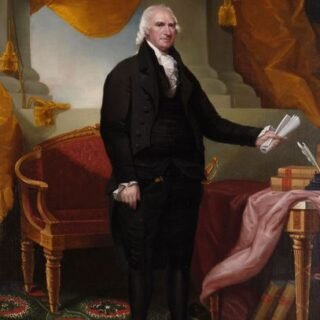
George Clinton was born on July 26, 1739, in Little Britain, New York, to Charles Clinton, an Irish immigrant and prominent colonial figure, and Elizabeth Denniston. The family settled in...
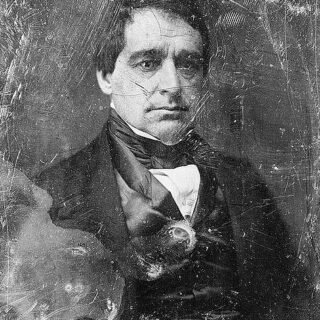
Hannibal Hamlin (1809–1891), a prominent American politician and the 15th Vice President of the United States, played a significant role in shaping the nation’s political landscape during a transformative period....
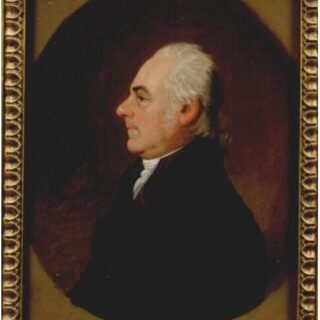
Andrew Ellicott (1754–1820) was a renowned American land surveyor, mathematician, and astronomer whose precise survey work helped shape the early United States. Known for his meticulous approach, Ellicott played a...
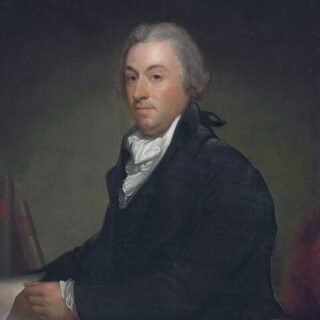
Robert R. Livingston (1746–1813), often referred to as “The Chancellor,” was a prominent lawyer, politician, diplomat, and Founding Father of the United States. Livingston played a crucial role in shaping...
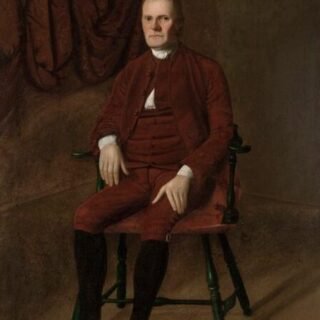
Roger Sherman (1721–1793) stands as one of the most influential yet understated Founding Fathers of the United States. His contributions to the nation’s formation spanned decades, reflecting his intellect, pragmatism,...

Roger Brooke Taney (March 17, 1777 – October 12, 1864) was a significant figure in American legal and political history. His life and career were marked by accomplishments, controversy, and...
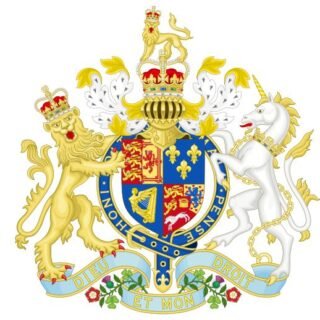
The Sugar Act of 1764, also known as the American Revenue Act, was a significant legislative measure enacted by the British Parliament to address pressing financial needs following the costly...
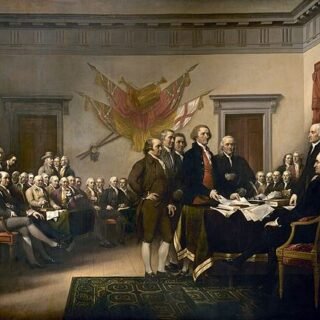
The Intolerable Acts, also known as the Coercive Acts in Great Britain, were a series of punitive measures enacted by the British Parliament in 1774. These laws aimed to punish...





