Roman Emperor Maxentius
Roman Emperor Maxentius (r. 306–312 AD) ruled Italy and North Africa amid political turmoil. Known for his architectural projects and opposition to Constantine, he met his end at the Battle...

Roman Emperor Maxentius (r. 306–312 AD) ruled Italy and North Africa amid political turmoil. Known for his architectural projects and opposition to Constantine, he met his end at the Battle...

Nigerian literature is one of the most dynamic and influential literary traditions in Africa, with its rich storytelling heritage, oral traditions, and contemporary explorations of identity, colonialism, and social justice....

Ehecatl was the Mesoamerican god of wind, often identified as an aspect of Quetzalcoatl, the Feathered Serpent deity. Origins and Mythological Significance Ehecatl, a deity in Aztec and broader Mesoamerican...
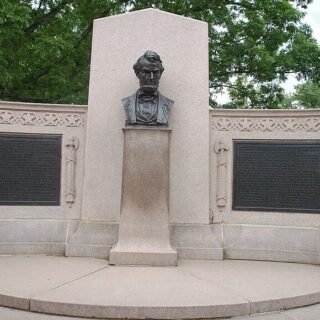
The Gettysburg Address, delivered by President Abraham Lincoln on November 19, 1863, stands as one of the most significant speeches in American history. Despite its brevity—comprising only 271 words and...

Vincent van Gogh’s The Starry Night, painted in June 1889, is one of the most recognized and celebrated artworks in history. Created during Van Gogh’s stay at the Saint-Paul-de-Mausole asylum...

Timekeeping has been a crucial aspect of human civilization, shaping societies, navigation, science, and daily life. From the early observation of celestial bodies to the modern atomic clock, timekeeping devices...

Throughout history, religious sites have served as centers of worship, pilgrimage, and cultural development. These locations, often sacred to multiple faiths, embody the beliefs, traditions, and histories of civilizations across...

Mumtaz Mahal was the chief consort of Mughal Emperor Shah Jahan and the inspiration behind the Taj Mahal. Early Life and Background Mumtaz Mahal, born as Arjumand Banu Begum on...

The Twelve Tribes of Israel are the descendants of the biblical patriarch Jacob, also referred to as Israel. According to Hebrew scriptures, these tribes collectively form the Israelite nation. Considered...
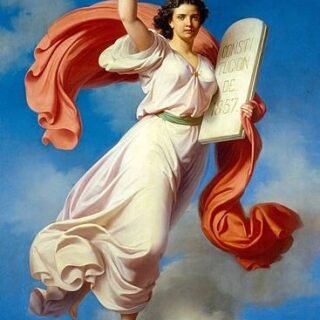
La Reforma was a significant period in Mexican history during the mid-19th century, marked by liberal reforms aimed at modernizing the country by limiting the influence of the Catholic Church...
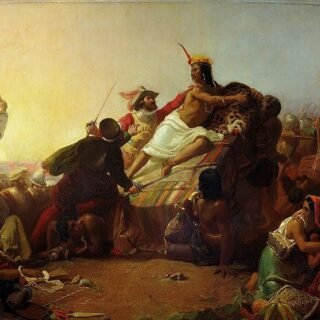
The Spanish colonization of the Americas began in 1493 on the Caribbean Island of Hispaniola, following Christopher Columbus’s initial 1492 voyage under the sponsorship of Queen Isabella I of Castile....

Shah Abbas I (1571–1629), also known as Abbas the Great, was the fifth Safavid Shah of Iran. Ascending to the throne at the age of 16 during a period of...
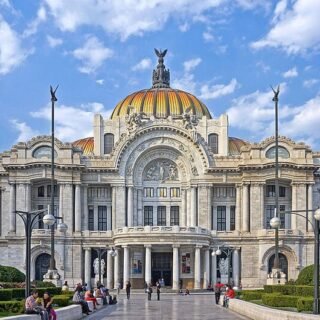
Mexico City, one of the largest and most culturally rich capitals in the world, is home to numerous landmarks that reflect its deep historical roots, artistic achievements, and modern vibrancy....

Humayun was the second Mughal emperor who ruled over parts of modern-day Afghanistan, Bangladesh, India, and Pakistan from 1530 to 1540 and again from 1555 until his death in 1556....

Richard B. Morris was a pioneering historian in colonial American legal history and early American labor history, later focusing on the American Revolution and the U.S. Constitution. Early Life and...





