What was the Invasion of Corsica of 1553?
The Invasion of Corsica in 1553 was a significant military campaign involving the combined forces of France, the Ottoman Empire, and Corsican exiles against the Republic of Genoa. This conflict...
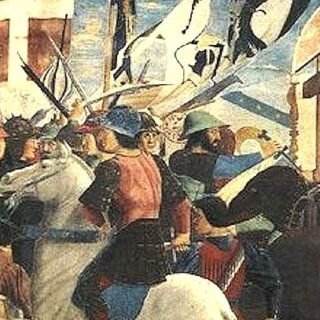
The Invasion of Corsica in 1553 was a significant military campaign involving the combined forces of France, the Ottoman Empire, and Corsican exiles against the Republic of Genoa. This conflict...

Jalāl al-Dīn Muḥammad Rūmī, widely known as Rumi, was a 13th-century Persian poet, Islamic scholar, Hanafi jurist, theologian, and Sufi mystic. His works, primarily written in Persian, have had a...
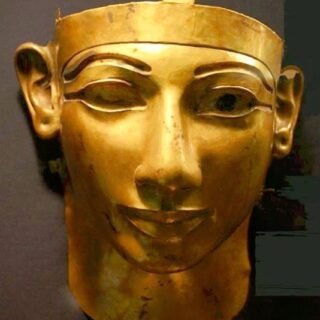
Shoshenq II was a pharaoh of the Twenty-second Dynasty of Egypt, notable for being the only ruler of this dynasty whose tomb was discovered intact. Summary Heqakheperre Shoshenq II, also...
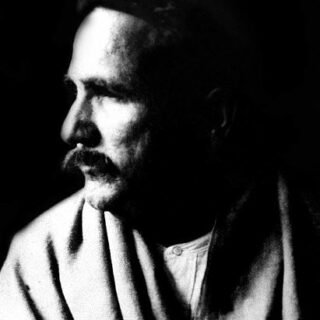
Sir Muhammad Iqbal, often referred to as Allama Iqbal, was a prominent philosopher, poet, and politician whose works greatly influenced the political consciousness of Muslims in British India. He played...

The United States was founded on the principles of liberty, equality, and self-governance, and throughout its history, these ideals have been expressed through foundational documents, landmark speeches, political movements, and...
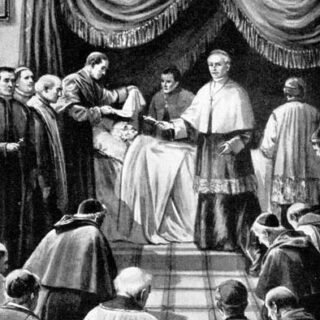
When a reigning pope passes away, the Catholic Church follows a well-established process to ensure a smooth transition of power. This process, known as the sede vacante (“vacant seat”), is...
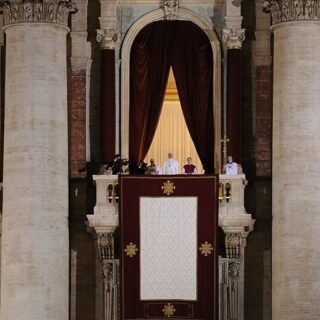
The procedure used by the Catholic Church in electing a new pope (i.e. Bishop of Rome) has developed for almost two millennia. However, it’s defining moment came in the mid-10th...
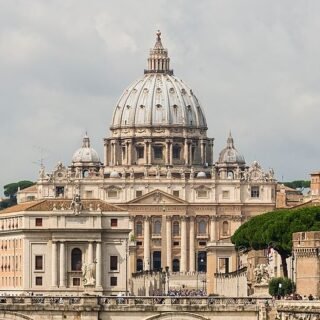
The history of the Roman Catholic Church spans over two millennia, yet no Black pope has ever been elected. This absence raises questions about racial representation, historical influences, and the...

The Mona Lisa is one of the most recognized and celebrated paintings in the world. Created by Leonardo da Vinci during the Italian Renaissance, it has been praised for its...
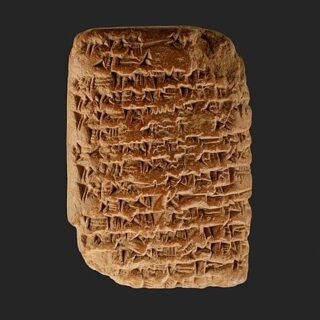
Ashur-uballit I was the first king of the Middle Assyrian Empire, ruling from around 1363 to 1328 BC. He established Assyria as a major power by defeating the Mitanni king...

English poet and playwright Ben Jonson is best known for popularizing the comedy of humors. He wrote influential satirical plays such as Every Man in His Humour, Volpone, The Alchemist,...

The Sistine Chapel, located within the Apostolic Palace in Vatican City, is one of the most significant cultural and religious landmarks in the world. Originally known as the Cappella Magna...

Seker, also spelled Sokar, was a significant deity in ancient Egyptian religion, particularly associated with the city of Memphis. Revered as a god of the dead, he also had ties...
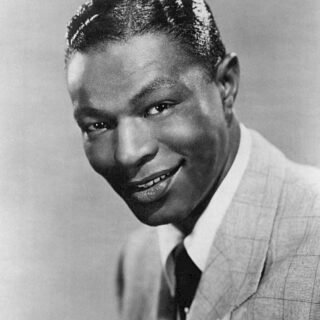
Nat King Cole (1919–1965) was a legendary American jazz pianist, vocalist, and actor whose smooth voice and timeless hits captivated audiences worldwide. Rising to fame with the King Cole Trio,...

Published in 1958, Things Fall Apart by Chinua Achebe is a landmark novel in African literature. The novel depicts the life of Okonkwo, a warrior and leader in the Igbo...





