Ancient Egyptian City of Thebes
Thebes, known as Waset to the ancient Egyptians, holds a central place in the history of ancient Egypt. This illustrious city, whose ruins now lie in modern-day Luxor, was a...

Thebes, known as Waset to the ancient Egyptians, holds a central place in the history of ancient Egypt. This illustrious city, whose ruins now lie in modern-day Luxor, was a...

The Obelisk of Montecitorio, also known as the Solare, is an ancient Egyptian monument crafted from red granite. Originally erected in Heliopolis during the reign of Pharaoh Psamtik II (595–589...

The Hyksos, derived from the Egyptian term ḥqꜣw-ḫꜣswt meaning “rulers of foreign lands,” marked a significant chapter in Egypt’s history as the Fifteenth Dynasty (c. 1650–1550 BCE). They ruled primarily...

Seqenenre Tao, also known as Seqenera Djehuty-aa or Sekenenra Taa, was a pivotal ruler of the Seventeenth Dynasty during Egypt’s Second Intermediate Period. Revered for his bravery, he played a...
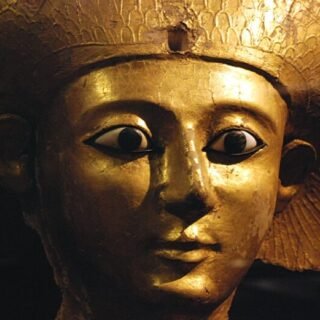
Sijdtjehuti, also known as Satdjehuti, meaning “Daughter of Thoth,” was a significant royal figure in ancient Egypt’s Seventeenth Dynasty. She played a crucial role in the transitional period leading to...

The Red Chapel of Hatshepsut, also known as the Chapelle Rouge, is a significant architectural and religious relic from Ancient Egypt. Built during the reign of Pharaoh Hatshepsut in the...

Senenmut, an influential figure of ancient Egypt’s 18th Dynasty, was an architect and official whose life remains fascinating and enigmatic. His name, translating to “brother of mother,” signifies his unique...

The circumstances of Cyrus the Great’s death remain an enduring historical puzzle. Despite the significance of this Persian ruler—founder of the Achaemenid Empire and revered statesman—ancient sources provide divergent and...

The Hittite civilization, a formidable power in the ancient Near East, left behind a rich artistic legacy that offers invaluable insights into their society, religion, and interactions with neighboring cultures....
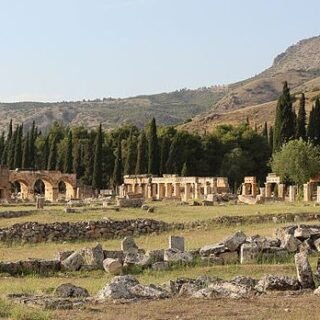
Turkey, strategically positioned at the crossroads of Europe and Asia, boasts a rich tapestry of ancient civilizations. From the grandeur of Greek and Roman cities to the enigmatic remnants of...

Hittite mythology and religion developed in Anatolia, primarily during the Late Bronze Age, from roughly 1600 to 1180 BC. At their capital, Hattusa, and other sites, the Hittites left behind...

The Sun goddess of Arinna occupies a central role in Hittite mythology, embodying divine authority and serving as a protector of the Hittite kingdom. This comprehensive exploration delves into her...

Yazılıkaya, meaning “Inscribed Rock” in Turkish, stands as one of the most remarkable archaeological sites from the Hittite Empire. Located near the ancient capital of Hattusa in present-day Çorum Province,...

The death of the Prophet Muhammad marks one of the most significant events in Islamic history. Muhammad’s passing not only ended the life of Islam’s founder and final prophet but...

The Bronze Age was a transformative era characterized by the widespread use of bronze—an alloy of copper and tin—for tools, weapons, and a host of other objects. Spanning roughly from...





