Pharaoh Mentuhotep IV
Pharaoh Mentuhotep IV was the final ruler of the 11th Dynasty during Egypt’s Middle Kingdom. His reign is estimated to have lasted approximately seven years, and it marked the end...

Pharaoh Mentuhotep IV was the final ruler of the 11th Dynasty during Egypt’s Middle Kingdom. His reign is estimated to have lasted approximately seven years, and it marked the end...

Senusret II, also known as Sesostris II, was the fourth pharaoh of Egypt’s Twelfth Dynasty, ruling from around 1897 BC to 1878 BC. His reign marked a period of peace,...

The Ishtar Gate was constructed during the reign of King Nebuchadnezzar II around 569 BCE, at the height of the Neo-Babylonian Empire. Babylon, located in modern-day Hillah, Iraq, was the...
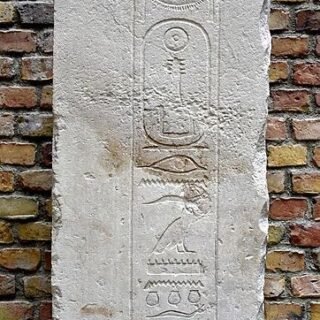
Djedkare Isesi, also known as Tancheres in Greek, was the eighth and penultimate ruler of Egypt’s Fifth Dynasty during the Old Kingdom. He reigned from the late 25th century to...

Thinis, known as Tjenu in ancient Egyptian, was one of the earliest cities of Upper Egypt. It rose to prominence during the Pre-Dynastic Period (c. 4000–3100 BCE) as the center...

Khakaure Senusret III, also known as Senwosret III or Sesostris III in its Hellenized form, was one of the most significant pharaohs of ancient Egypt. He ruled during the Twelfth...

Hadad, also known as Adad in Akkadian and Iškur in Sumerian, was a prominent storm and rain god worshiped across the ancient Near East. His origins date back to around...
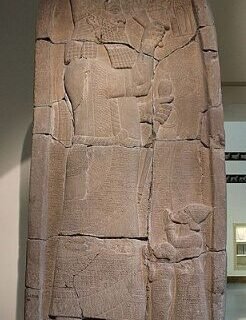
The historical context of the stele is rooted in Esarhaddon’s efforts to assert Assyrian dominance over Egypt. This campaign followed an earlier defeat in 674 BCE, where Taharqa, ruler of...
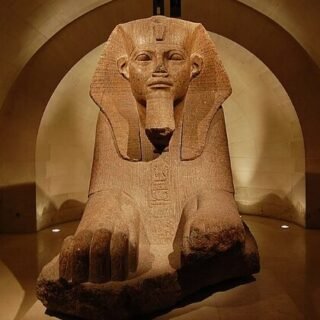
Amenemhat II, also known as Nubkaure Amenemhat II, was the third pharaoh of Egypt’s 12th Dynasty, ruling for at least 35 years. His reign, while relatively long, is marked by...

Tityos, also spelled Tityus, was a formidable giant in Greek mythology. Known for his chthonic origins and tragic mythological tale, his story intertwines with the divine, the mortal, and the...

The tetradrachm, a large silver coin from Ancient Greece, emerged around the late 6th century BCE. Its name derives from its value, equating to four drachmae. Initially minted in Athens,...

The First Dynasty of Egypt (c. 3150–c. 2890 BCE) marks a pivotal period in ancient Egyptian history, laying the foundations for the civilization’s future dominance. It witnessed the establishment of...
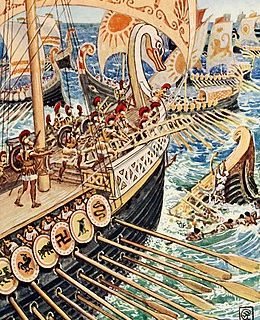
The Battle of Salamis, fought in 480 BCE, stands as one of the most pivotal naval engagements in ancient history. Occurring during the second Persian invasion of Greece, this confrontation...
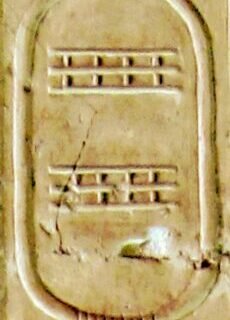
Early Life and Identity Pharaoh Den, also known as Hor-Den, Dewen, or Udimu, ruled during Egypt’s First Dynasty in the Early Dynastic Period. His reign is widely recognized for prosperity...

Merneith, whose name means “Beloved by Neith,” was an important figure in Egypt’s First Dynasty (circa 2950 BCE). Her name signifies her association with the goddess Neith, a deity of...





